
Thematic Centrality
How To "Elevate" Your Story

About a month or two ago, my wife and I went to see the movie “Weapons”, by director Zach Cregger. We loved it. It’s one of my favorite movies of the year alongside “Sinners”, by Ryan Coogler, Heretic by Scott Beck and Bryan Woods and Companion by Drew Hancock. These movies, aside from all being horror films, don’t share many common threads. They are, however, connected by the fact that they fall within the very pretentious sounding genre known as Elevated Horror.
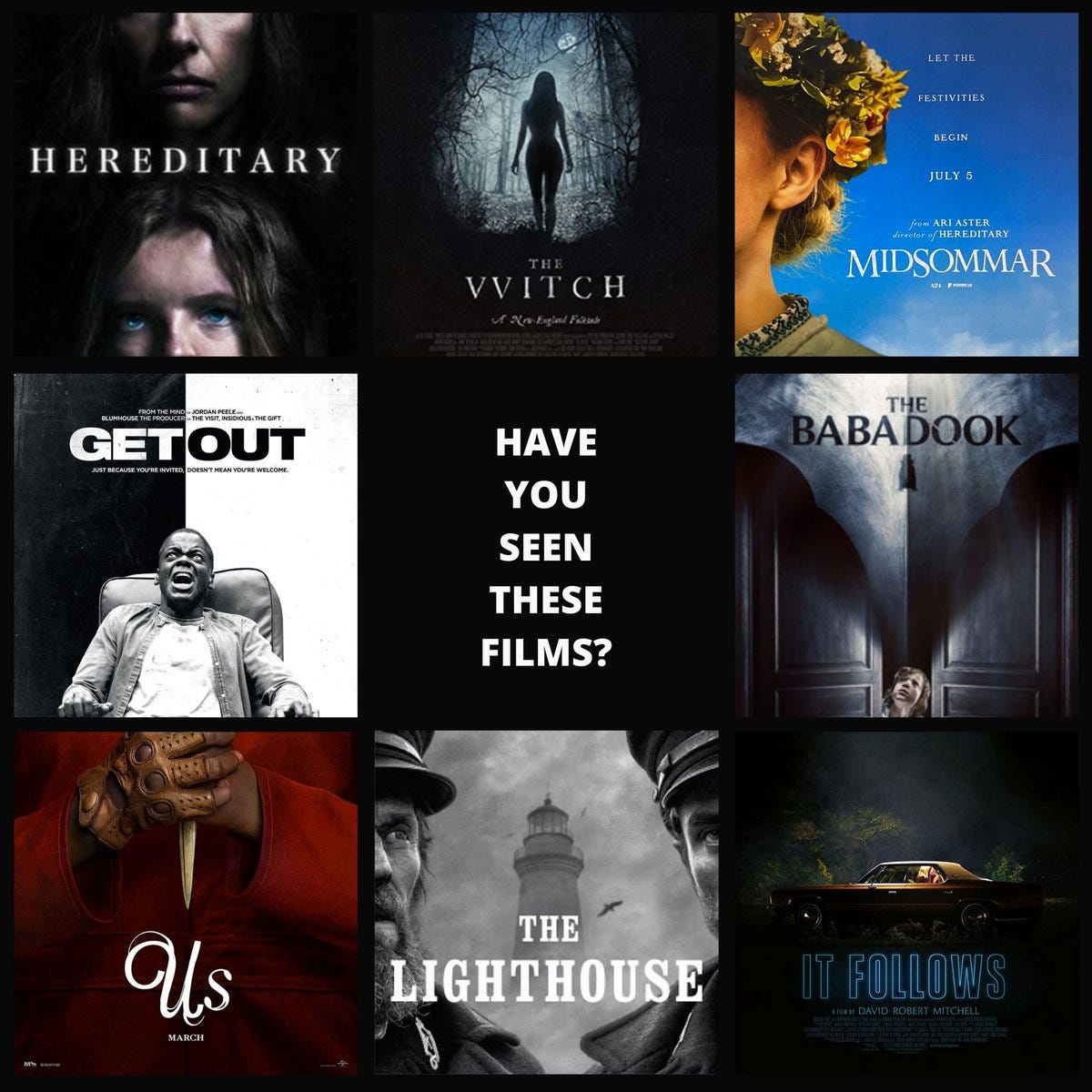
Elevated Horror is a term that I first took notice of right around the time the movies Get Out and Hereditary were taking the world by storm. My personal definition of Elevated Horror is a film that centralizes and focuses on its themes while utilizing the plot and available tools within the genre to fully explore these themes. By that definition, elevated horror is nothing new, especially when you consider older films like Rosemary’s Baby and The Shining, two more of my favorites, fit well within the borders of that definition. These seem to be the types of movies I gravitate toward. When I thought about my taste in comics, I realized that also holds true for my tastes within that medium.
Don’t get me wrong, I’ll read good-old, trope filled, superhero comics all day. But, the stories that become classics, in my mind, are the ones where theme is given priority and the plot works in service of exploring those themes. I’ve gotten into many spirited debates with people who claim that comics are “too political” now and who long for a return to the days where people weren’t trying to “preach life lessons” in their work. I have to break it to these people that such a time has never existed and why not getting what something is about isn’t the same as something not being about anything.
This idea of thematic centrality also spills over into my thoughts on writer’s block. I may have mentioned this in another post but, I don’t fully believe writer’s block exists. In my opinion, if you’re stuck on a project and can’t figure out what comes next, it could be simply because you aren’t in touch with what your story is really about. You know the plot points and who does what and when, but do you know what the themes of your story are? Do you know what it is you want to say about those themes? That’s what I ask myself whenever I get stuck.
Writing is very much like putting a puzzle together. But in the workman-like nature of constructing a narrative, have you given enough attention to exploring your own perspective? It’s fair to want your work to leave room for your audience to draw their own conclusions about ideas you are presenting to them, but these ideas are being filtered - consciously and unconsciously - through your perspective. Your presence in the process will color how the ideas are framed and disseminated. I think giving your own perspective a back seat inevitably begs the question of why even raise these ideas in the first place if you have nothing to say about them?
Worrying about your potential readers not agreeing with your take is normal, I would assume. I have to assume because it’s not something I personally lose sleep over, but I think it’s still normal to care about it. However, if the alternative is to present your work completely sanitized of anything you feel could be upsetting or challenging to your audience’s views, then you may end up with a work that lacks power. There are myriad things to concern yourself with when it comes to writing. Writing for validation shouldn’t be one of them. It feels nice to receive, don’t get me wrong, but you’re setting yourself up for disappointment if you don’t end up getting the reaction you’d hoped for. It happens. Expectations are a weird thing. We heap them on ourselves and others and often that can be a bit unfair to do. A better, more useful way to approach your work might be to not get distracted by those peripheral things and focus on craft. When all else fails, attention to craft is the thing that will make you a better writer and help you lock in on how to wield your vision with purpose and how to express that purpose through theme.
I hope this doesn’t come off as preachy. I actively despise social media platitudes and pseudo self-help nonsense. When I write things like this, I’m mainly speaking to myself. These are the lessons that I want to keep in the front of my mind. I supposed my personal thematic centrality is based on keeping my mind open to useful ideas and not hanging on to the things that may be dragging my writing down, no matter how comfortable they become. Honing in on theme can be the key to moving forward not only in our stories but also in our real lives.
I’ll talk to you soon,
Steve